
Understanding Why You Would Want To Change Your Habits

By: Laivinski Page

Are you stuck in a daily routine that feels monotonous and unfulfilling? Do you feel like you’re just going through the motions day after day, with no real purpose or direction? If so, you’re not alone. Many people feel this way at some point in their lives. But the good news is, it doesn’t have to be this way. You can change your habits and create a life that is more fulfilling and satisfying. But how do you do this? Read on to find out.

Everyone has different reasons for wanting to change their habits. What’s yours?

Habits are the building blocks of our lives, shaping how we approach our days and interact with others. Unfortunately, not all habits are productive or healthy; some Habits can interfere with our well-being. That’s why it’s so important to change or break Habits when it makes sense for us. Everyone has their reasons for changing Habits. For me, it came down to self-love: I wanted to make sure I was making choices that honored my body, mind, and soul each day. Whether it was kicking a caffeine habit late at night or learning to switch off from work after dinner, I knew that making this kind of change would help me to better honor myself and create healthier Habits over time. Change isn’t easy – especially when we’re used to bad Habits – but it’s possible with determination, commitment, and a little bit of self-love. Sometimes it takes a few weeks or months; other times it can take years. But no matter how long it takes, changing Habits is always worth the journey. Ultimately, I’m proud of who I am today and all the Habits I’m able to embrace daily. It has made life so much more enjoyable and meaningful! Life is about growth and evolution – learning from mistakes and embracing positive Habits each day is an integral part of our journey. So if there’s something in your life you wish to change, don’t be afraid to take that first step – you never know what potential the future holds for you! ­­­­­­­­­­­

Understand your triggers – what sets off your bad habit?

Our bad habits are often the result of an emotional trigger, such as anger or a feeling of low self-worth. Triggers can be difficult to study because they occur unconsciously, but understanding your triggers is an important step in tackling a bad habit. By taking note of what events, emotions, and feelings set off your bad behavior, it’s possible to create new strategies for responding differently to them. This might involve teaching yourself healthier coping mechanisms, such as talking through upset feelings or engaging in some form of self-care. It can also involve actively affirming yourself – telling yourself positive things to boost your sense of self-love and self-worth so that you don’t feel the need to make bad decisions when faced with triggers. Triggers are unique to each person – by spending time exploring and understanding our triggers we can begin to build better habits that are more beneficial for our overall well-being.

Make a plan to avoid or cope with your triggers

Coping with difficult situations can be a daunting task. Learning to recognize triggers and plan for them in advance can be an invaluable tool for staying healthy when things become difficult or overwhelming. At first, it may feel easier to try to avoid potential triggers, but by doing so you can limit yourself from other positive experiences. By making a plan in advance, you can begin to recognize common warning signs before they lead to a crisis. A good way of preparing is to understand your typical responses and feelings when you are triggered: recognizing sensations like physical discomfort, fear, or anger can help you learn how best to manage your triggers more effectively. Also, take time to understand self-care methods that have been helpful for you in the past – even implementing just one small strategy each day can make all the difference when it comes to avoiding or coping with triggers. With practice and preparation, you will be better prepared for dealing with tricky situations as they arise.

Set realistic goals – don’t try to change everything at once

Setting realistic goals is a key part of personal growth and success. Trying to change everything at once can often lead to frustration, as most people (understandably) aren’t able to make drastic changes in their lives overnight. Instead, taking small steps toward positive change can be much more effective and rewarding. Baby steps are not only easier to manage and less overwhelming – but they also provide greater room for experimentation, leaving you free to explore different approaches until you find something that works for you. It’s not about how fast you progress – it’s about loving the process and taking the time necessary to create lasting transformation in your life. Pace yourself, take your time and don’t forget to appreciate the journey along the way. With realistically set goals, steady progress, and self-love, there’s nothing you can’t achieve!

Find a support system to help you through the tough times

Everyone experiences difficult periods in life, whether it’s dealing with a major setback or simply feeling overwhelmed. During these times, it can be hard to stay positive and know what to do. Fortunately, having a strong support system can make all the difference. Connecting with people who love you — from family members and close friends to others in your community — can provide the kind of caring encouragement that will help you get through your struggles. Not only will they provide emotional support, but they may also be able to come up with helpful solutions that weren’t obvious before. Finding a supportive group of people is one of the best things anyone can do, especially when tough times arise — a little bit of love goes a long way! By relying on those around us, we can navigate our difficulties together and hopefully come out on the other side better than ever. With strong and reliable support systems, anything is possible.

Be patient with yourself – changing habits takes time and effort

As anyone who’s ever tried to change a habit knows, it’s not always easy. Whether it’s something big like quitting smoking or something small like replacing coffee with herbal tea, breaking long-established patterns of behavior can take both time and effort. Instead of seeing this as an insurmountable challenge and shooting for perfection straight away, it’s important to recognize that changing habits is an ongoing process. This means that progress might be incremental, but if we allow ourselves a little patience and kindness along the way it can make our journey much easier. It can also help to think of this process in terms of ‘self-care’ rather than self-criticism – the more compassion we show for the slow progress, the better chance we have of getting where we want to be in the end. Being patient with ourselves may require us to check in several times a day and ensure that we’re staying on track, but it’s worth noting that going slowly helps us to form new habits that are more likely to last – taking one step at a time will not only give us satisfaction along the way but also get us where we need to go in the long run.

So, what’s your reason for wanting to change your habits? Understanding why you want to make a change is an important first step. Once you know your motivation, you can start to identify your triggers and put a plan in place to avoid or cope with them. And finally, set realistic goals for yourself and find a support system to help you through the tough times. Remember – changing habits takes time and effort, so be patient with yourself!
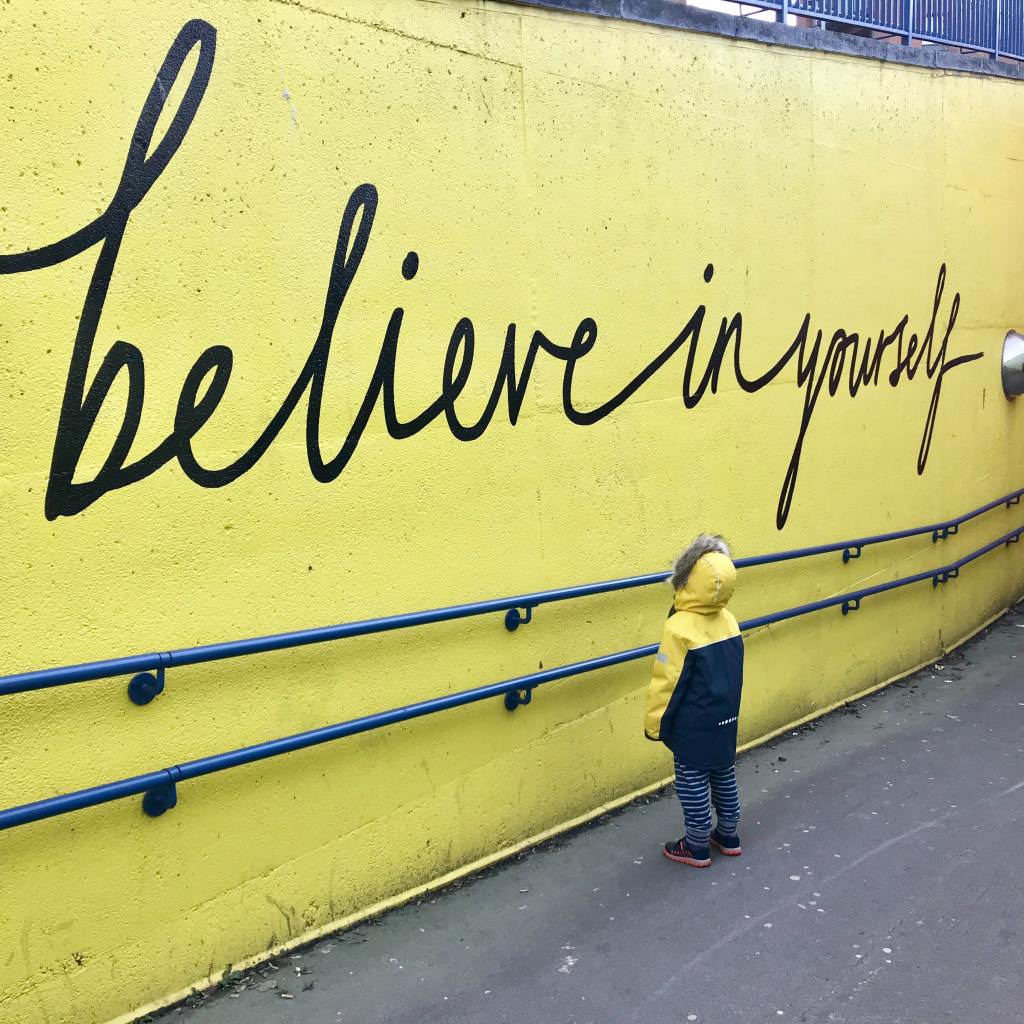

Habits Are Hard To Break, But It’s Possible

By: Laivinski Page

Habits

Habits are something that we all have. Some of them are good, like brushing our teeth or exercising. But some of them can be bad for us, like smoking or procrastinating. It’s easy to fall into a routine and do things without thinking about them, but breaking a habit can be tough. Here are some tips to help you break a bad habit and form a new, healthier one.

Define what a habit is

A habit is a behavior or action that becomes commonplace due to repetition and reinforcement of certain outcomes. Personal habits are routine behaviors we form over time, often unbeknownst to us, that can shape how we act in different situations. Furthermore, they can have a great influence on our personal development over time as we continually reinforce certain patterns of behavior. Habits are formed through mental conditioning by rewarding the completion of an activity with feelings of satisfaction, security, or pleasure. Generally speaking, it can take anywhere from 18 days to 254 days for a new habit to develop and be fully integrated into our lives depending on individual behavior and the complexity of the habit itself. By understanding the concept of habit formation and taking control of our habitual tendencies, we can begin to focus on positive behaviors for furthering our Personal Development.

Understand why habits are difficult to break

Habits are hard to break because they have become a part of our daily life. We easily and naturally adopt habits, letting them take control of how we spend our time, how we react in certain situations, and how we shape our behavioral patterns. This control is hard to break because it becomes hard-wired into our brains over time. We form an emotional connection with the habit and it can become difficult to recognize when its effect is no longer beneficial. Regaining self-accountability to choose healthy alternatives to prevent ourselves from succumbing to old habits requires hard work and consistency. Great battles of willpower are fought every day between humans and their hard-to-break habits – but with hard work, dedication, and discipline, those battles can be won and new paths formed. It’s important to remember that showing resilience in the face of change is not only allowable but also admirable; understanding why something is hard does not invalidate your efforts but rather helps you look for ways to persist through it. With the understanding that any bad habit or unhealthy routine takes time to perfect, one can strive ahead with greater confidence on the path of self-improvement. Although breaking hard habits may be a tough road initially, stepping out on this journey of thriving for self-betterment will reap great rewards eventually!

Dedication pays off in all aspects of life, especially when it comes to reworking bad habits into beneficial ones! So keep pushing on!

Learn about the different types of habits

Habits are easily formed patterns of behavior that become automatic, often without much understanding or thought. While the concept of habits has been around for centuries, in recent years there have been several approaches based on understanding and bending them to one’s will. There are both physical and psychological aspects to habits that make them difficult to break. On the physical side, some habits can be caused by echoes from memory centers in the brain associated with physiological functions. On the psychological front, habit formation is highly dependent on understanding our own experiences and reactions that link to certain activities or tasks. Fortunately, understanding our behaviors can give us insight into how we construct and attach meaning to habit formation. Through understanding, we can develop healthier ways of replacing bad habits with good ones, based on understanding how external forces affect us as well as how the right responses can come from grace, patience, and love rather than just discipline alone. In this way, understanding our habits helps us foster better relationships with ourselves and others while working towards achieving our goals.

Identify the habits that you want to change

Life is a journey of self-reflection and self-discovery, and along the way, we’re all confronted with habits that we need to change. Before coming to terms with those unhealthy patterns – or taking steps to break them – it’s important to have a heart-to-heart with yourself. Doing some honest self-evaluation can help identify which habits are holding you back and need to be shifted in order for real transformation to occur. This could mean having more self-awareness when it comes to issues like procrastination or anger issues. It might also involve making major lifestyle changes such as giving up bad vices like smoking or drinking too much. No matter what type of shift needs to take place, intentionally changing one’s behaviors can feel overwhelming at first. Releasing old habits isn’t easy, but ultimately engaging in this self-reflective process allows for growth and forward momentum. Ultimately, it’s a powerful step in investing in your well-being and realizing your potential for personal greatness.

Create a plan to break your bad habits

Breaking a bad habit requires preparation and hard work. While the exact plan for breaking your bad habit varies depending on the individual and the habit in question, there are a few steps that stay consistent. First, it’s important to write out your intentions; writing down what’s causing you to create this habit, why it’s important to you to break it, and how success will look can help focus and energize your efforts. Once you have your goal identified clearly, set realistic goals that will help you in working towards your end game. Make sure you measure progress along the way; small wins go a long way in maintaining motivation. Finally, stay focused by removing distractions or negative influences around you that tempt you back into the bad habit, and find positive reinforcements – such as giving yourself rewards when milestones are achieved – to further motivate yourself on this journey of change. Breaking an unhealthy habit isn’t easy but with a plan in place and dedication, rewards can be extraordinary. Write it all down in a plan so that even when willpower wavers or doubt creeps in, having an actionable list of steps can help keep you focused on reaching success!

Put your plan into action and stick with it

Taking action and staying the course is often the hardest part of achieving a goal. It requires staying power, determination, and a fight against our inner demons. Starting something can be relatively easy – staying strong through crushing doubt and distraction takes far more effort. Fortunately, you can cultivate this staying power by putting your plan into action right away, then following it relentlessly over time. Consistency gives us the confidence to carry on and keep fighting, even when the going gets tough. This staying power is varied in nature – it’s not just seen in physical pursuits but also emotional and intellectual ones – staying true to ourselves while achieving personal and professional growth. We mustn’t give up on our quest for betterment in life. Sticking with your plan, no matter how daunting or challenging, will help you create momentum toward success and your goals. As Nike famously said: “Just do it!”

Habits are a hard thing to break, but it is possible. It is important to understand why they are difficult to break and the different types of habits. Once you have identified the habits that you want to change, make a plan and put it into action. Stick with your plan, and don’t give up! Remember, it takes time and effort to change a habit. If you find yourself struggling, we have an ebook full of tips and resources to help you along the way. Be patient with yourself and stay positive – you can do this!

what if you win

 I was having a conversation with a young man, and he was picking my mind about a business that he wanted to start. We talk for a while, and I was telling him the pros and cons of the business from my point of view. I also gave him a few ideas on maybe how he should do things. We went around for a few minutes on maybe what would work, and we were exchanging back and forth. I had to step away for a few minutes. When I was on my way back, I thought to myself: you already have the idea, the ideal person to help you work in the business, and then you want to start this business to give your dad something to do when he retires. He’s still at my desk, I’m thinking to myself, “Man, why are you even thinking about this? Why don’t you just do it? I mean, what do you have to lose?” So, I get back to the desk and I say, man, just do the damn business. And he looked at me and laughed, and I said, what in the fuck you got to lose? Like maybe $10,000? A little bit of time. But what if you win? Everyone in your town will know who you are, you will be making an impact on your community, and may even make some money. You would also do something that you have never done before, and you would make some great family memories. In addition to you having your own business that’s yours. It would give you and your father something that you guys could work on together? Like, what do you have to lose? As I talked to him, and we finished the conversion up… the idea just stuck with me. What do you have to lose? What is it??? Some shame or embarrassment that you might encounter if you happen to not succeed? If you happen to fail, what about, but learn so much? What if you fail? And you can help the next young man or woman with knowledge that can save them time, money, and heartache. What if you fail and it helps you to be better in your next endeavor? It doesn’t even have to be a business. It just could have taught you some life lessons that you can share and can build upon. That means you did not fail; you learned a life lesson. I mean, gosh, we are so stuck on what if we fail that we cannot move forward? What if we win though? Like, why don’t we ever say that? Why don’t we look at life and say, Man, I’m going to try such and such? What if I win? We’re always looking at the negative aspect of it… What if I lose? What if I fail, but dammit, what if I win? What if I do great? What if I grow? What if I flourish? Man, isn’t that magnificent? Isn’t that worth the journey? Isn’t that worth the price of admission? What if I win? Good Lord, what if I win? Have you ever just stopped to think about that? What if I win? That is a wonderful, wonderful concept. This is a wonderful, wonderful idea. That’s just a wonderful thought that’s positive. What if I win? If I looked at life like that all the time, no matter what I do, what if I win? What if I succeed? What if I do great? Wouldn’t it change so many people’s lives? Wouldn’t it make people want to be entrepreneurs or start their businesses? How about thinking we’re always going to win? What if I help this person and they win? Man isn’t that such a wonderful, radical way to look at life and to move forward in life with the notion that I’m probably going to win.

This is not a new concept at all, I’m sure. I think that I have a new appreciation for it now. Appreciation for looking at things in a better way and in a positive way. This makes me smile when thinking about it. What if I win? My god that is so amazing. To just think that if I start this endeavor, if I start this business, if I go shoot hoops in the front yard, if I do anything. What if I win? I think that’s called having a winner’s mentality. No matter what I do. I feel like I’m going to win. And I think that’s rare because most people are always doubting themselves or doubt others. But what if I win? We should just stick to this concept from now on. How about trying it for the next 10 days? Say, I’m going to win at everything that I do, every turn that I make. I am going to win. I am going to succeed and be successful. I think in the next seven days, you might want to adopt this. You will probably feel so great that you will say, I want to keep going with this. You’re going to hit 7 days, 14 days, and 21 days. 21 days is the time that’s stated to form a new habit. How unstoppable would you be in life?  Trying and doing things that you never thought that you would and the massive growth that comes with that. Let the negative thoughts, fears, and afraid go and start today. Now, you have a new positive mindset in life and we’re going to win. Man isn’t that great? Doesn’t it feel great? Why don’t you tell yourself that you’re going to win today? For the rest of the day. Just tell yourself that anything you try, anything you do, is going to be great and you’re going to win. That is a massive change in mindset, a totally different way of looking at life that most people don’t have. I thought I was going to win, I knew I was going to win, but sometimes I just felt like… I’m scared to try, but everything from here on out is a win. Let’s just make sure we say that.  You’re going to succeed; you’re going to overcome any challenges put in front of you. That feels so good man. I hope this feels good to you. Because there is nothing out there that feels as good as knowing that you’re going to win before you even start a task. I hope I brought you positive vibes today… Now, go win!!!!!!!!